
At Dr.Saranya Jay’s Smiligne Dental & Skin Clinic, we understand that achieving a perfect smile is a journey, not a destination.While braces used to be the go-to for teeth alignment,today’s patients have more options,including aligners and retainers. But are they the same? If you’re wondering about the key differences between aligners vs. retainers, you’re in the right place. In this blog, we’ll break it all down and help you understand which option suits your needs.
What Are Aligners?
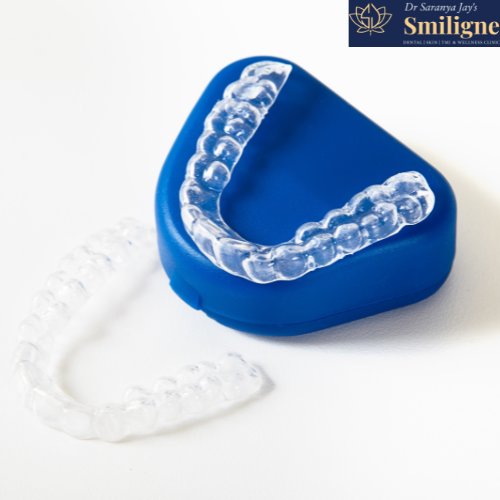
Aligners are clear,custom-made plastic trays designed to gradually move your teeth into their desired position. They are an alternative to traditional metal braces and work by applying gentle pressure to shift your teeth over time.Many patients prefer aligners due to their discreet nature, comfort, and ease of use.
Key Benefits of Aligners
Clear & Discreet
Aligners are made of transparent plastic,making them a virtually invisible solution for teeth straightening.They are ideal for adults and teenagers who want a more subtle orthodontic treatment.
Removable
Unlike traditional braces, aligners can be removed for eating, drinking, brushing, and flossing, which makes maintaining oral hygiene easier. You won’t have to worry about food getting stuck in your brackets.
Comfortable
Aligners are smooth and less likely to cause irritation to the gums and mouth, compared to the metal wires and brackets used in traditional braces.
How Aligners Work?
A series of aligners is custom-made based on 3D scans or impressions of your teeth. You’ll wear each set of aligners for about 20-22 hours a day, and you’ll switch to a new set every 1-2 weeks. As you progress through each set, your teeth will gradually shift into alignment. The total treatment time typically lasts between 12 to 18 months, depending on your case.
Key Benefits of Retainers
Teeth Retention
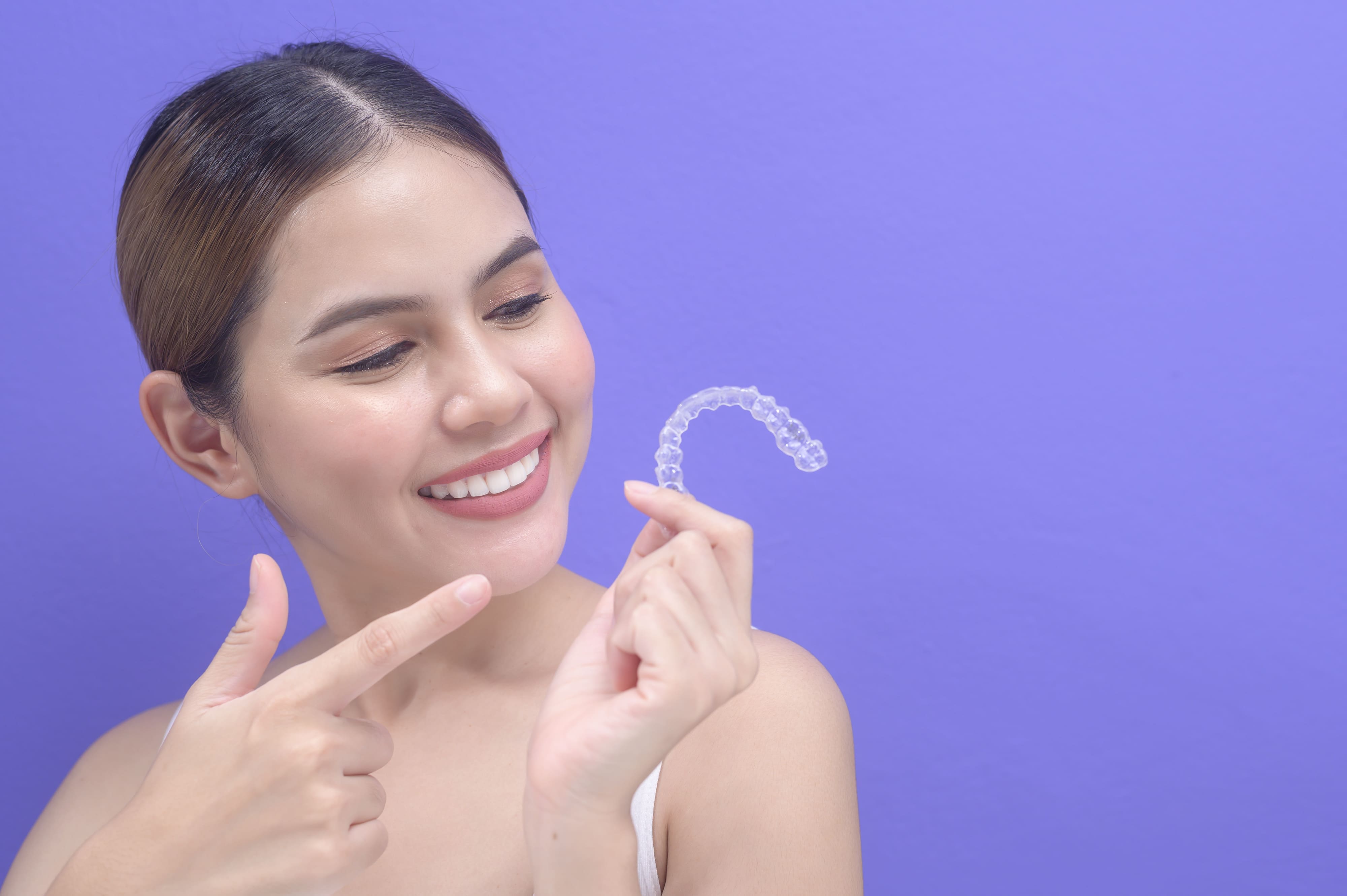
The primary function of retainers is to maintain the results you’ve achieved after orthodontic treatment. Without retainers, your teeth are more likely to shift back to their previous positions over time.
Custom Fit
Like aligners, retainers are custom-made for your mouth to ensure a snug, comfortable fit. Whether you’re using a clear or wire retainer, a proper fit is crucial for effective retention.
Long-Term Solution
While aligners are used during the active phase of treatment, retainers are used as part of the maintenance phase. Wearing your retainer regularly is key to maintaining your new smile.
How Retainers Work
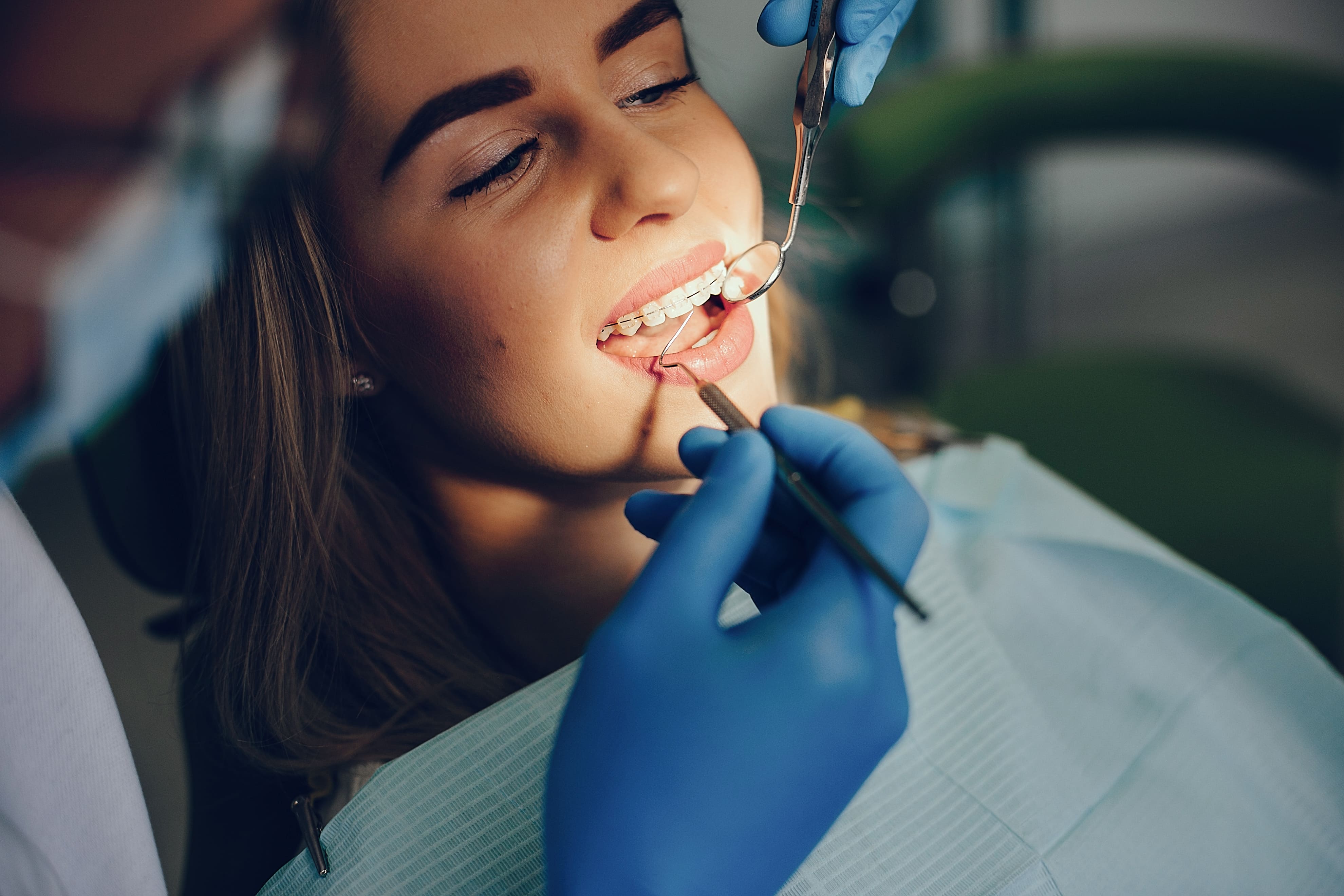
After your treatment with aligners or braces, you’ll wear retainers to keep your teeth in their final positions. Initially, you may need to wear them full-time, but eventually, you’ll transition to wearing them only at night. Retainers hold your teeth in place while the surrounding bone and tissue adjust to their new positions.
Aligners vs. Retainers: Key Differences
When it comes to aligners vs. retainers, it’s important to recognize that both serve different roles in your orthodontic journey. While both are clear, removable, and custom-made, their purposes and usage are distinct.
Aligners vs. Retainers: Key Differences
1. Purpose
Aligners:The primary purpose of aligners is to straighten your teeth by applying gentle pressure to gradually shift them into the desired position.
Retainers: Retainers are used to maintain your teeth in their new position after they’ve been aligned. They prevent relapse, ensuring that your teeth stay in place after your treatment is complete.
2. Treatment Phase
Aligners: Aligners are used during the active phase of orthodontic treatment when you are working to straighten your teeth.
Retainers: Retainers are used after the active treatment phase, once your teeth are aligned. Their job is to prevent your teeth from shifting back to their original positions.
3. Customization
Aligners: Each set of aligners is designed specifically to fit your teeth at different stages of treatment. Over time, as you wear each set, your teeth will move closer to their final position.
Retainers: After alignment is complete, retainers are custom-made to fit your teeth in their final position, ensuring they stay in place.
4. Duration of Use
Aligners: You will typically wear aligners for about 12 to 18 months, depending on your orthodontic needs and treatment plan. The duration of use may vary depending on how much your teeth need to move.
Retainers: Retainers are worn long-term, often indefinitely. Initially, you may wear them full-time, but later, you’ll transition to wearing them only at night to maintain the alignment.
5. Aesthetics
Aligners: Aligners are clear and nearly invisible, providing a discreet option for teeth straightening. They are a popular choice for adults and teens who want to avoid the look of traditional braces.
Retainers: Some retainers, such as clear retainers, are also discreet, while others (like wire retainers) may be more visible.
Aligners vs. Retainers: Which One Should You Choose?
The decision between aligners vs. retainers is not really an either/or choice—it’s both. Aligners are for teeth straightening, while retainers are essential for maintaining the alignment after treatment.
Aligners
Choose aligners if you need to straighten your teeth. Aligners are perfect for people with mild to moderate orthodontic issues such as crooked teeth, gaps, or misalignment.
Retainers
After your teeth have been aligned,retainers are necessary to prevent them from shifting back. Wearing your retainer as instructed is key to keeping your smile in place.
At Dr.Saranya Jay’s Smiligne Dental & Skin Clinic, we offer both aligner treatments and retainer solutions to suit your needs.Our team will guide you through each step, ensuring that you get the best results from your orthodontic treatment.
How We Can Help You at Smiligne Dental & Skin Clinic?
Whether you’re considering aligners vs. retainers, Dr.Saranya Jay’s Smiligne Dental & Skin Clinic offers a range of orthodontic treatments to help you achieve and maintain your dream smile. Our experienced team will assess your dental needs and provide personalized recommendations for both aligners and retainers.Book a consultation with Dr. Saranya Jay today and take the first step toward your perfect smile!
Conclusion
When comparing aligners vs. retainers, it’s clear that both play crucial roles in your orthodontic journey. Aligners help straighten your teeth, while retainers are vital for keeping your smile intact once treatment is complete. At Dr.Saranya Jay’s Smiligne Dental & Skin Clinic, we offer comprehensive orthodontic care, guiding you from alignment to retention. If you’re ready to explore your options and achieve a smile that lasts a lifetime, schedule a consultation today!